Engagement Packages
Portfolio



2 mins read

4 April 2026
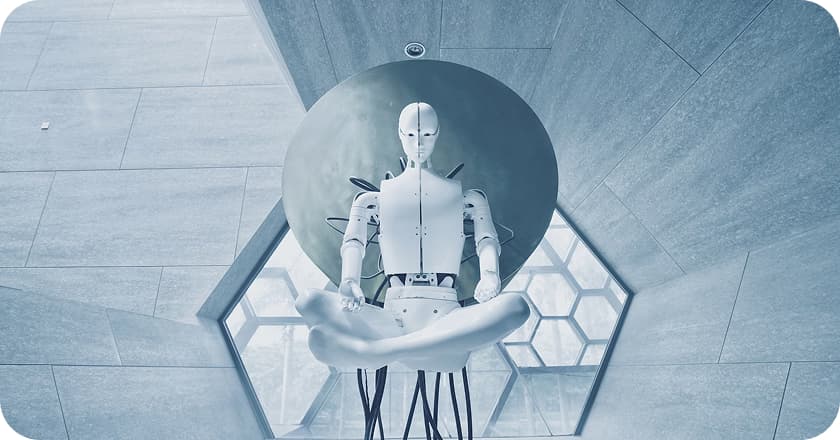
AI technologies like machine learning, natural language processing, and robotics are automating repetitive tasks, allowing humans to focus on higher-value work. Industries such as healthcare, finance, and manufacturing are leveraging AI to improve efficiency, reduce costs, and deliver better outcomes.
However, this shift also means that some traditional roles are evolving—or even disappearing—while entirely new job categories are emerging.
The future workforce will demand a mix of technical expertise and human-centric skills. While AI handles data processing and automation, skills like critical thinking, creativity, emotional intelligence, and adaptability will become even more valuable.
Professionals who embrace lifelong learning and upskill in areas like data analysis, AI management, and digital literacy will be best positioned to thrive.

AI is not here to replace humans—it’s here to empower them. The future of work will be defined by collaboration between humans and intelligent systems. By understanding these changes and preparing today, individuals and organizations can unlock new levels of innovation and growth.
The question isn’t whether AI will change the workplace—it already has. The real question is: are you ready to evolve with it?
Share